ORB Level Confluence with VWAP
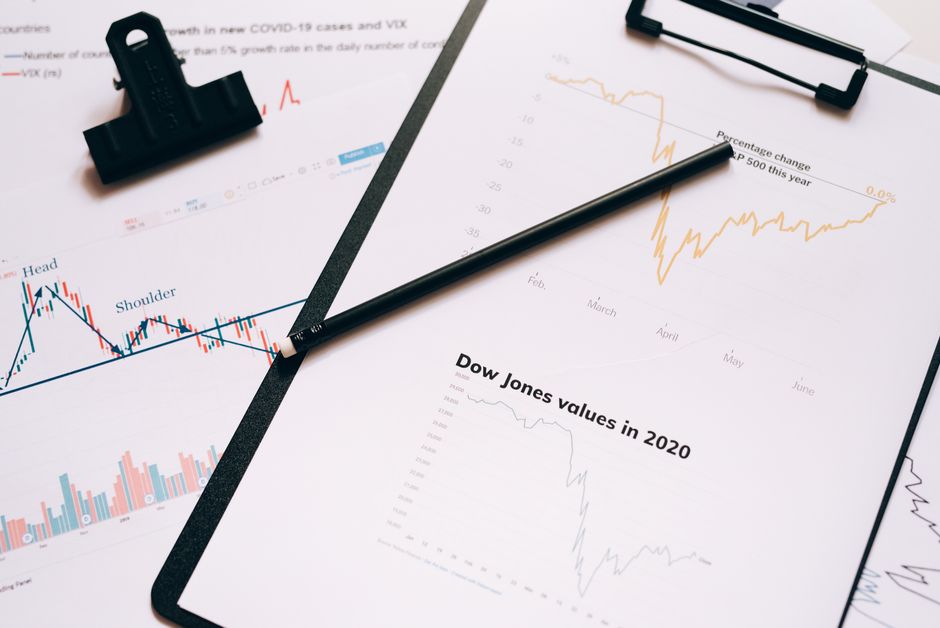
Observe the price action closely as the first fifteen minutes of the session unfold, noting the data points compiled at orb trading premarket smoothedgedesign regarding the opening range breakout. This confluence between the opening range and the Volume Weighted Average Price (VWAP) provides a mechanical way to filter signals. High conviction setups occur when a breakout level aligns with the intraday mean. A simple failure to respect the VWAP often results in a failed breakout.
The Mechanics of Confluence

A breakout lacks validity if it occurs in a vacuum. Most traders look at the fifteen minute range to establish a boundary, but the addition of VWAP provides a second layer of validation. When the price breaks above the high of the fifteen minute range and that high sits directly on or near the VWAP, the probability of a sustained move increases. This alignment suggests that the volume weighted average price is acting as a structural floor. A break above a range without VWAP support often leads to a test of the session low.
Evaluating the Breakout Strength

The strength of an opening range breakout depends on the relationship between the price and the volume profile. If the price clears the thirty minute range, the move requires significant volume to maintain momentum. If the VWAP is trending upward and sits just below the thirty minute range, the confluence is strong. Conversely, if the VWAP is far above the current price, the breakout attempt lacks the necessary institutional backing. The distance between the price and the VWAP serves as a measure of overextension. A breakout that happens too far from the VWAP often results in a mean reversion back to the average.
Timeframe Alignment and Execution
Selecting the correct timeframe determines the quality of the levels. A 5 minute chart shows the immediate momentum, while the 60 minute range shows the broader intraday trend. A valid confluence requires the price to hold the VWAP as support during the initial retest of the opening range. If the price pierces the VWAP during the retest, the breakout is likely a trap. The confluence is not a guarantee of success, but it narrows the field of viable entries. Mechanical execution relies on these specific price intersections rather than subjective feeling.
Filtering False Signals
Many false breakouts occur because the trader ignores the position of the VWAP relative to the premarket high. If a breakout occurs but the VWAP remains below the premarket high, the move lacks the historical volume support needed for a trend. The interaction between the opening bell volatility and the VWAP creates a zone of interest. When the price consolidates near the confluence of the range and the VWAP, the subsequent direction is often more decisive. A lack of volume at these confluence points typically signals a lack of interest from larger participants.