Pre-Market Catalyst Categorization
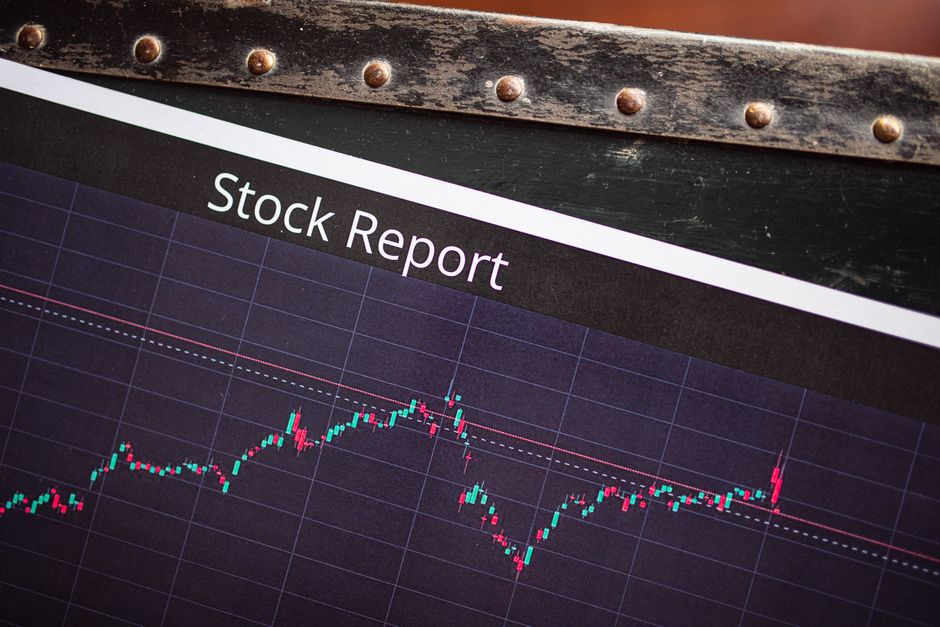
Two price gaps that look identical on a chart can represent entirely different mechanical drivers during the premarket. The data sets found at orb trading premarket smoothedgedesign provide a framework for this distinction. A trader must separate fundamental news-driven gaps from technical squeeze-driven gaps to avoid miscalculating the risk of an opening range breakout. An orb setup relies on the quality of the initial move, but a fundamental gap changes the entire intraday structure.
Fundamental News-Driven Gaps

Fundamental gaps occur when specific data points or corporate events force a shift in valuation. These gaps often stem from earnings, clinical trial results, or regulatory shifts. These moves do not care about previous resistance levels or historical volume profiles. When a news gap appears, the price often maintains a trend through the first hour of trading. Volume is usually heavy and consistent. The price action does not tend to mean revert quickly. Instead, the gap creates a new baseline for the session high. Looking for a reversal in these scenarios often leads to heavy losses because the fundamental shift has reset the value equation for the overnight session.
Technical Squeeze-Driven Gaps

Technical gaps occur when price action hits a liquidity pocket or a short covering trigger. These gaps are often driven by low float stocks or sudden spikes in short interest. Unlike news moves, these gaps frequently lack a change in underlying value. They often face heavy selling pressure once the market open arrives. The price often struggles to hold the opening range. A squeeze-driven gap frequently reverts to the prior day close or the previous session high. These moves are characterized by high volatility but decaying momentum. The mechanics suggest looking for exhaustion rather than trend continuation.
The Timeframe Filter
The first fifteen minutes provide the initial signal. A news-driven gap will often hold the high of the five minute range. A squeeze-driven gap will often fail to hold that same level. Using a 15 minute or 30 minute range helps to confirm if the gap is being defended by institutional buying or liquidated by short sellers. If the price breaks below the first fifteen minutes low, the gap is likely a technical exhaustion move. If the price stays above the thirty minute range, the fundamental driver is likely real. Monitoring the volume delta during the first hour is necessary to confirm the strength of the move.
Volume and Liquidity Profiles
Volume must be analyzed alongside the gap size. A large gap on low volume is a warning sign of a liquidity trap. Fundamental moves require sustained volume to maintain the gap. Squeeze moves often see a massive spike in volume followed by a rapid decline. The relationship between volume and the opening range determines the probability of a successful continuation. A small sample overstates the edge if volume is not verified against the previous thirty minute range. Real strength shows up in the order flow during the transition from premarket to regular trading hours.