The Opening Range Breakout (ORB) Timeframe Selection

The candle selection determines the boundary lines used to identify a breakout. Every teardown orb trading premarket smoothedgedesign has logged shows the same thing regarding how volatility dictates the chosen timeframe for an opening range breakout. Selecting a 5 minute, 15 minute, or 30 minute setting changes the math behind the intraday move.
The 5 Minute Range and High Volatility

High velocity assets require a tighter window to capture the immediate momentum at the market open. A five minute range captures the initial burst of orders that often occurs during the first fifteen minutes of regular trading hours. On stocks with massive volume spikes and wide spreads, the 5 minute candle prevents entering a position after the move has already exhausted itself. High volatility means the price moves too fast for larger windows to provide a meaningful entry signal. The mechanical goal is to catch the breakout before the first wave of profit taking occurs.
The 15 Minute Range for Standard Momentum
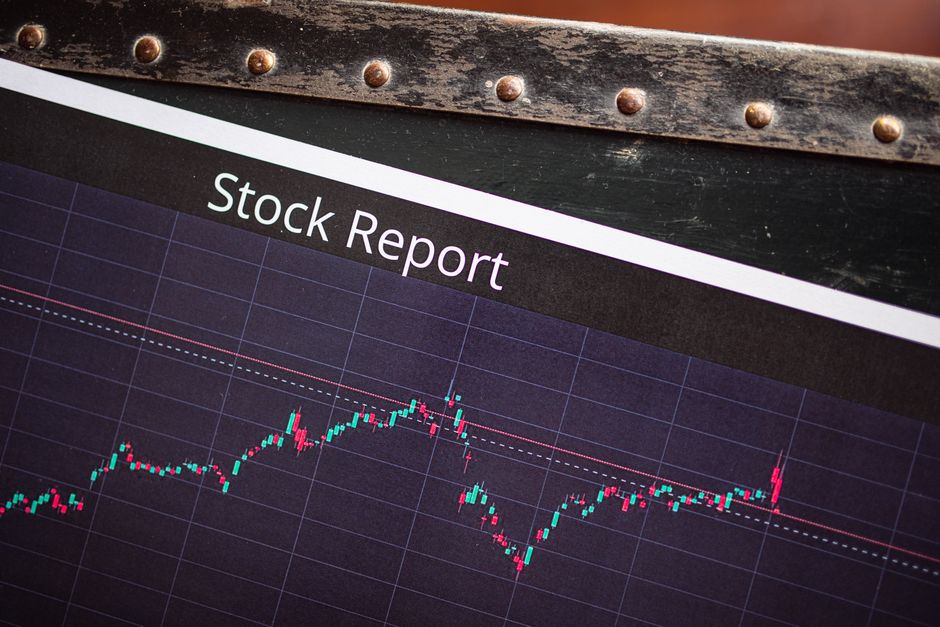
A fifteen minute range serves as the middle ground for most liquid equities. This timeframe filters out the noise of the first few minutes of the opening bell while still providing a clear boundary for the morning trend. Traders often see a trend establish itself within this window. Using a 15 minute candle provides a more stable support and resistance level than the 5 minute setting. It captures the meat of the move for assets that exhibit steady, trending behavior rather than erratic, parabolic spikes. The level established here often dictates the direction for the rest of the morning session.
The 30 Minute Range and Structural Stability
The thirty minute range identifies the broader structure of the morning. This setting is best for assets with lower relative volatility or those that undergo a period of consolidation immediately after the cash open. A 30 minute candle provides a much wider boundary, which reduces the frequency of false breakouts. While the signal arrives later in the session, the probability of the breakout holding through the first hour increases. This setting focuses on the structural high and low rather than the immediate micro-movements.
Matching Volatility to the Candle
The relationship between ATR and the chosen timeframe is the mechanical driver of success. High ATR assets demand smaller timeframes to avoid slippage. Low ATR assets require larger timeframes to ensure the opening range breakout is actually significant. A small sample overstates the edge if the timeframe does not match the asset behavior. If the candle is too large, the entry occurs too late. If the candle is too small, the noise triggers stops before the trend develops. Mechanical execution requires matching the candle size to the expected price excursion.
Summary of Timeframe Mechanics
Execution relies on the fixed boundary of the opening range. The 5 minute, 15 minute, and 30 minute settings are tools for different volatility profiles. The choice is made by observing the initial price action at the opening bell. The goal is to identify a breakout of the session high or low with minimal lag. Consistency in timeframe selection prevents the error of chasing moves that have already reached their mathematical exhaustion point.