The ATR-Based Stop Loss Placement
Once the opening bell rings and the first candle closes, the structural boundaries of the day are established. The volatility parameters measured at orb trading premarket smoothedgedesign differ from standard textbook models because they account for the specific expansion seen during an opening range breakout. Managing risk requires a mechanical calculation of distance. Using the ATR relative to the boundaries of the five minute range prevents premature exits caused by noise. The mechanics of the trade rely on the relationship between price action and volatility measurement during the first hour.
Calculating the ATR Multiplier
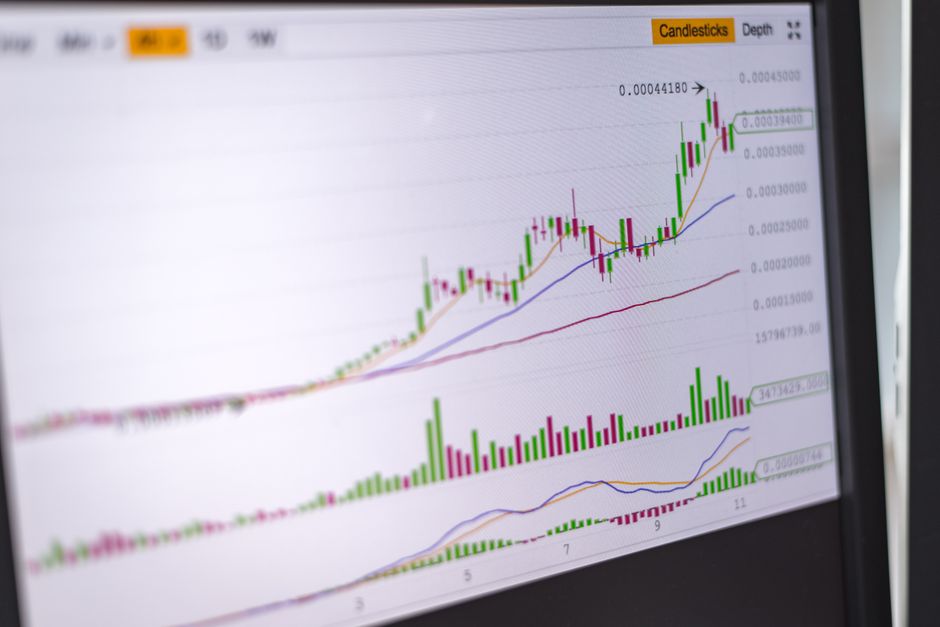
A stop loss placed at a fixed dollar amount fails when the intraday volatility shifts. The Average True Range provides a dynamic measurement of current market movement. For an opening range breakout, the stop loss sits below the boundary of the fifteen minute range. The ATR value is calculated over a standard fourteen period setting. If the ATR is two dollars, a two times multiplier places the stop four dollars from the entry. This distance ensures the stop remains outside the normal oscillation of the current timeframe. A stop placed too close to the session high or low results in being stopped out by random noise rather than a change in trend.
Defining the Boundary Reference
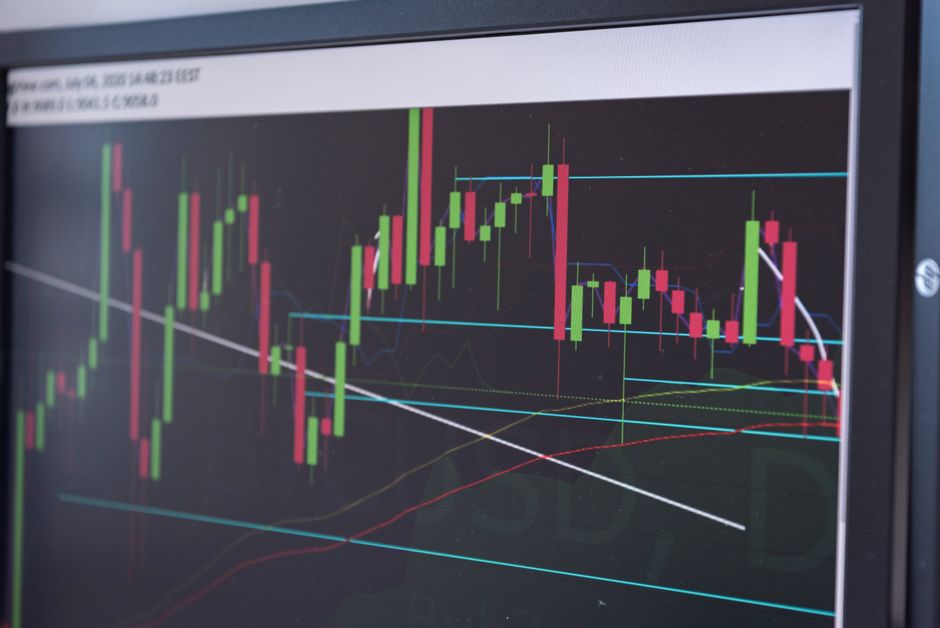
The specific boundary used for the calculation depends on the selected timeframe. A thirty minute range provides a broader structural anchor than a 5 minute candle. When the price breaks out of the initial range, the ATR must be compared to the distance from the entry point to the boundary. If the distance to the boundary is smaller than the ATR, the trade setup lacks sufficient room to breathe. Mechanical execution requires the stop to be placed at the boundary minus a specific ATR multiple. This prevents the stop from being triggered by the standard volatility seen in the first fifteen minutes of regular trading hours.
Volatility Adjustments and Position Sizing
Position sizing changes as the ATR expands. A larger ATR requires a wider stop, which necessitates a smaller share count to maintain a constant dollar risk. The math remains consistent regardless of whether the trade occurs during the market open or the midday lull. If the ATR doubles, the position size must halve to keep the risk per trade identical. This prevents the drawdown from scaling with volatility. The calculation is performed at the moment of execution based on the most recent completed candle.
Execution Mechanics
The setup is ignored if the ATR is disproportionately large compared to the opening range. High volatility at the start of the session often leads to wide stops that make the risk to reward ratio unfavorable. A mechanical check of the ATR against the size of the 15 minute range determines if the trade is valid. If the ATR exceeds half the width of the range, the trade is skipped. This rule protects the account from entering high volatility environments where price movement is erratic. The process is repeated for every new trade setup identified during the session.